Helping Others Survive
Helping Prevent Unnecessary Deaths From Sudden Cardiac Arrest
HeartCharged is helping more people recognize a cardiac emergency, respond with confidence, and make survival more possible for everyone.
From changing the way we teach CPR to pushing for safer schools and more equitable resuscitation, this is what the work looks like when lived experience becomes public action.
The next generation of lifesavers
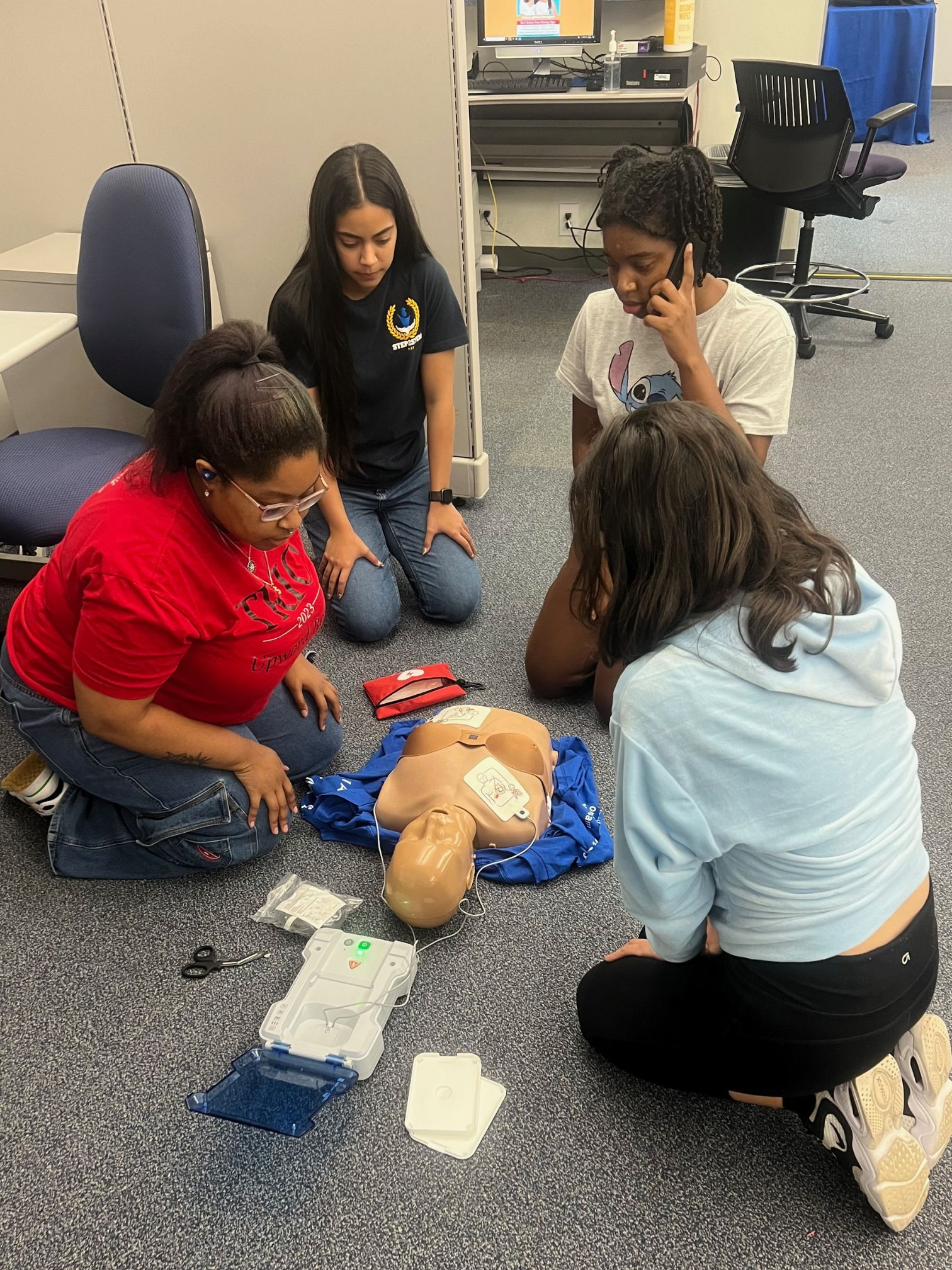
Teaching people AED & CPR Skills needed to save lives
A child can call for help. A teenager can find an AED. A neighbor can start CPR. Confidence grows when people get the chance to learn.
HeartCharged creates educational materials, classes, music, movement, and interactive school experiences that make lifesaving skills feel approachable—and memorable.
Watch the music video
Kids Can Bop and Call Push Shock
After suffering a heart attack on stage, Greg Page from the Wiggles wrote the song Call Push Shock, teaching kids how to save lives with CPR and an AED.
Together, we collaborated with Greg Page to create a music video visualizing for children what to do.
Watch the music video
AED: The Music Video
HeartCharged created a music video to help show children how to use and AED and save someone's life, featuring the song "AED - Hurry Don't Hesitate" by Greg Page from the Wiggles.
AED Donations
Helping AEDs Get Where They Are Needed
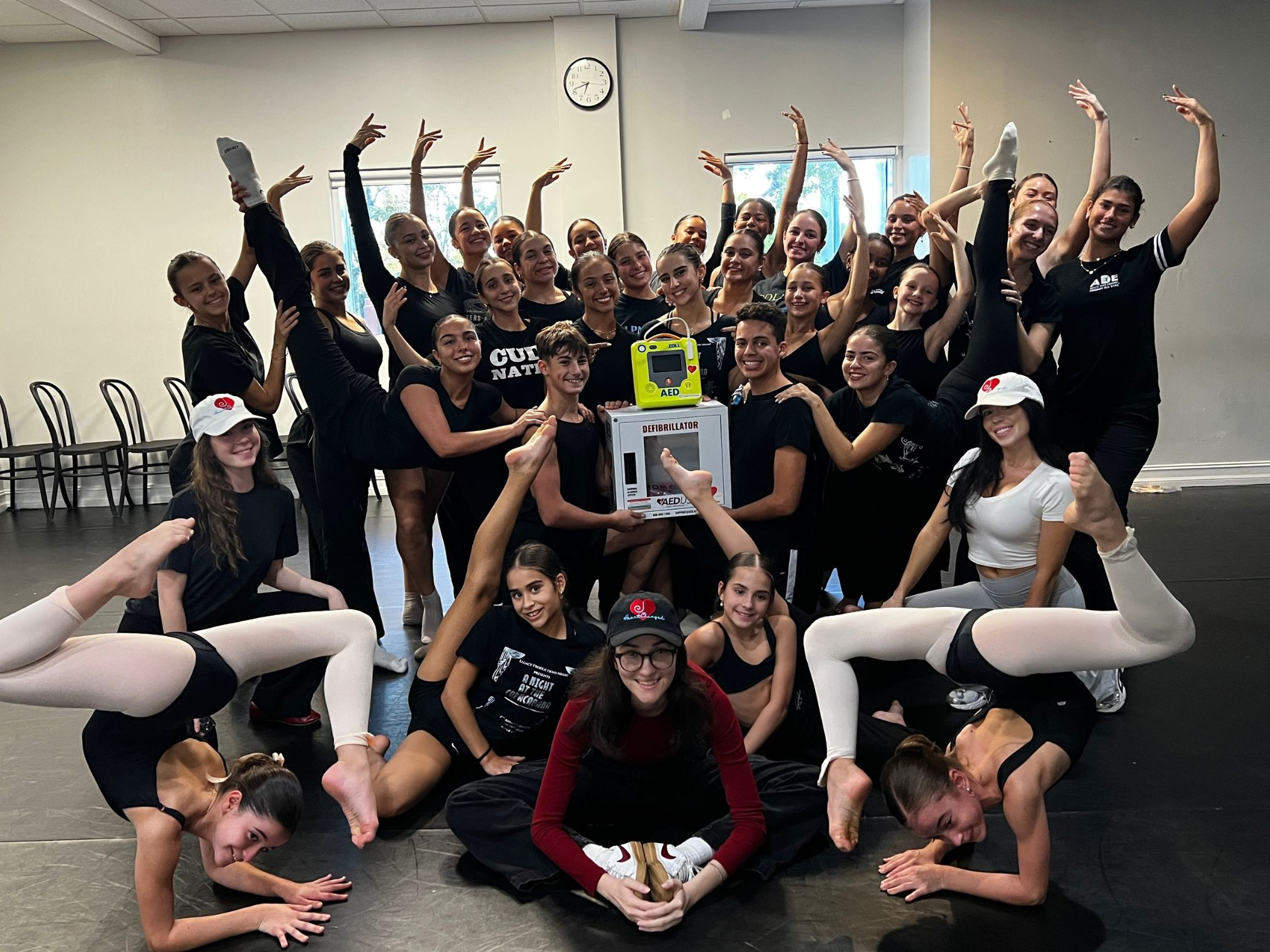
An AED can only save a life if it is nearby, working, and ready to be used.
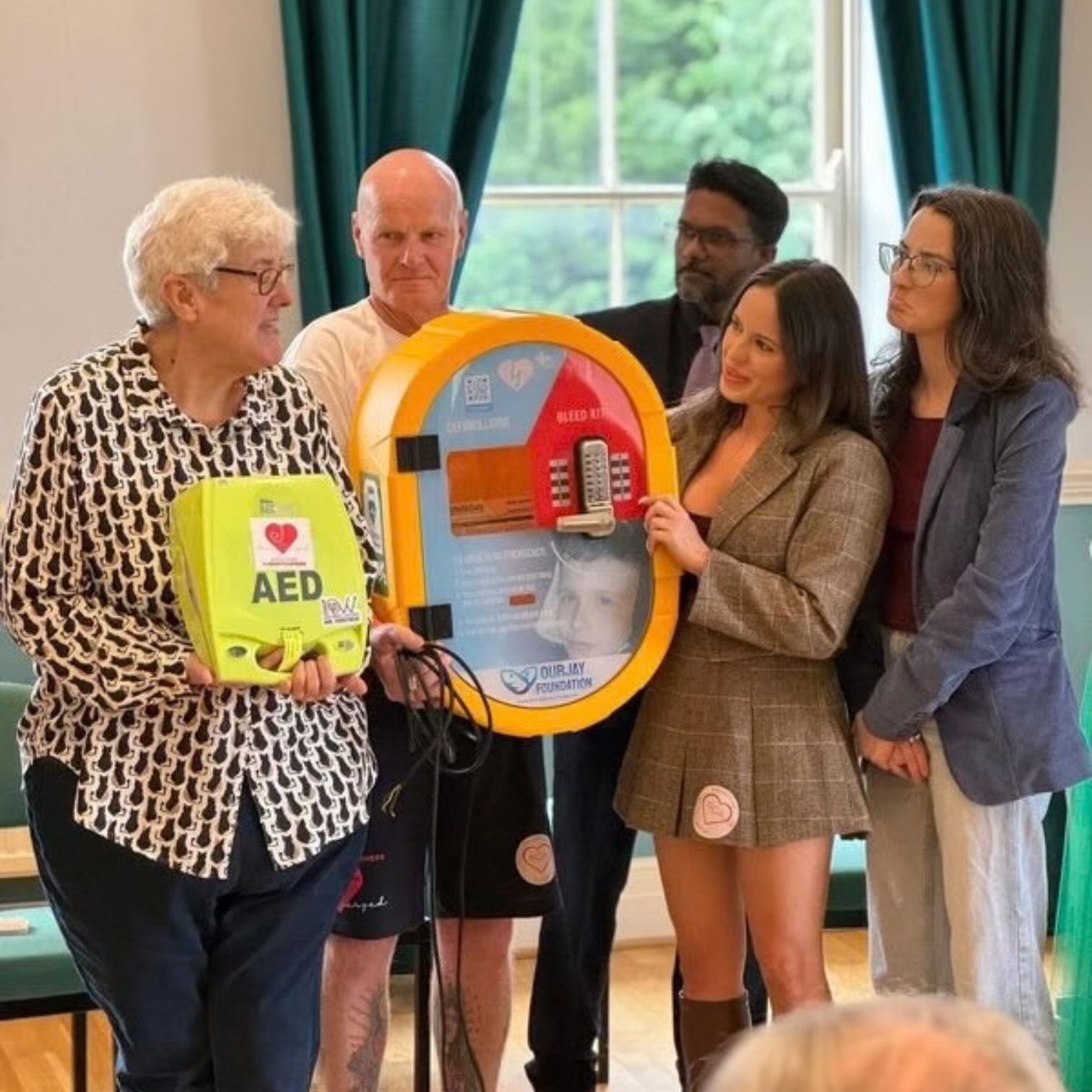
HeartCharged has helped donate dozens of AEDs with generous partners and organizations—from schools and police cars to parks, sports teams, scouting groups, and family communities.
Schools • Police vehicles • Parks • Sports teams • Scouting groups • Family spaces
Within months, one of the AEDs HeartCharged helped donate was used to save a life.
HeartCharged Passes Laws
A Lifesaving Law Is Now On The Books
HeartCharged helped push cardiac emergency readiness forward in Florida so schools are better prepared when someone’s heart stops.
Effective July 1, 2025, Florida’s cardiac-emergency law created a clear plan for schools to respond to sudden cardiac arrest and have an AED on hand and ready.
Florida · 2025
Florida schools are building a plan for cardiac emergencies.
Florida Statute 1003.457 requires public schools to develop a PULSE plan and, by July 1, 2027, have at least one operational AED on school grounds.
HeartCharged Spreads Awareness
Closing The Gap In Female Resuscitation
1.5x
Women are less likely to survive sudden cardiac arrest.
They are also 1.5 times less likely to receive bystander resuscitation.
Survival should not depend on gender, body type, or whether a bystander feels comfortable helping.
Why the gap persists
- Fear of causing further harm or facing legal consequences.
- Reluctance to expose female breasts and the sexualization of women’s bodies.
- The assumption that women are weaker or more prone to injury.
- Cardiac arrest is less likely to be recognized when it happens to a woman.
- Training on male-only manikins leaves rescuers less confident helping female bodies.
What HeartCharged is changing
Awareness Becomes Action
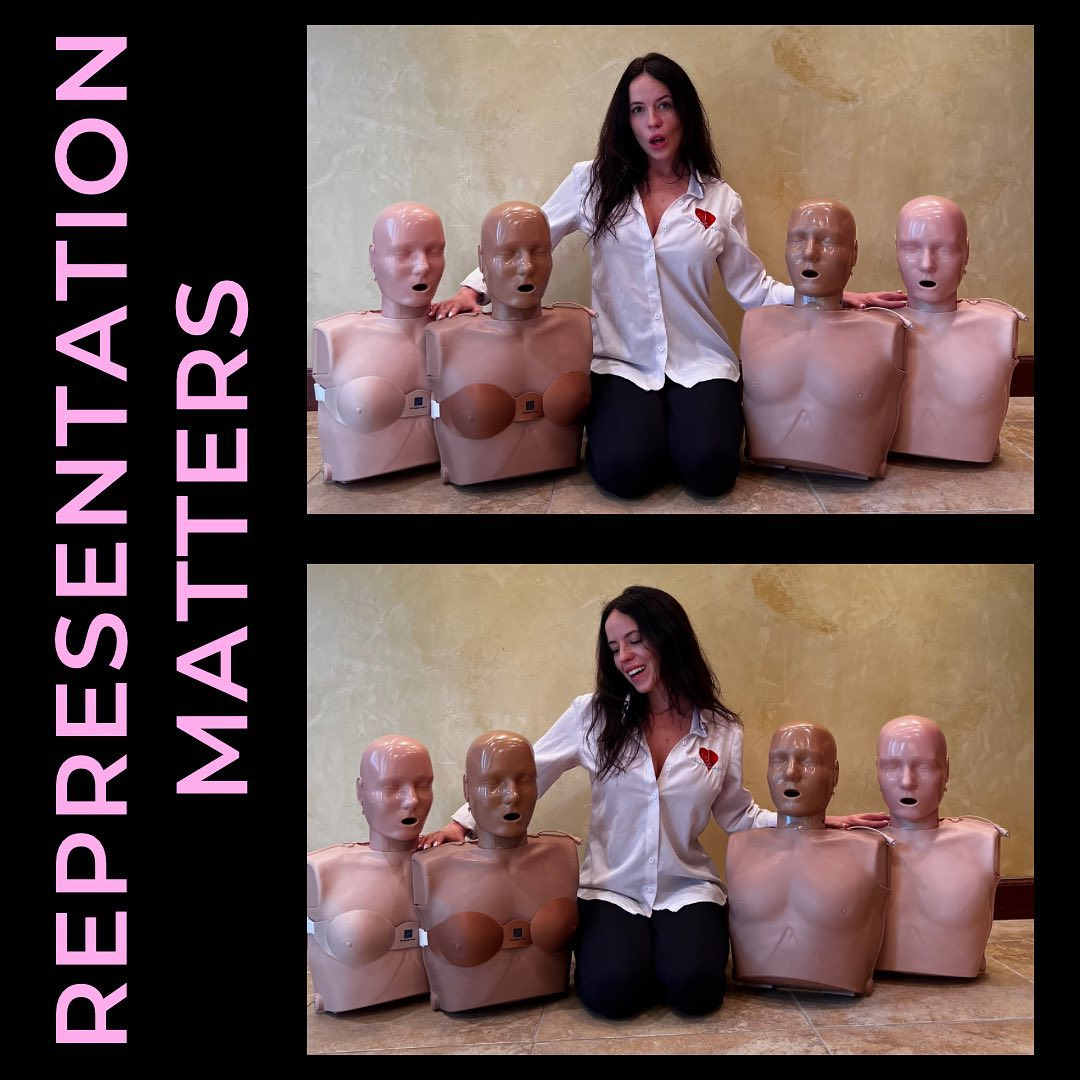
HeartCharged launched a bold campaign to confront the stigmas and training gaps that keep women from receiving the same chance at survival.
Make The Gap Visible
Bring the survival disparity and its causes into public view through advocacy, education, and conversation.
Normalize Lifesaving Action
Encourage bystanders not to hesitate when clothing and a bra must be removed to perform CPR or place AED pads.
Train On Female Bodies
Create female CPR manikins and give people practice responding confidently to women in cardiac arrest.
Watch the music video
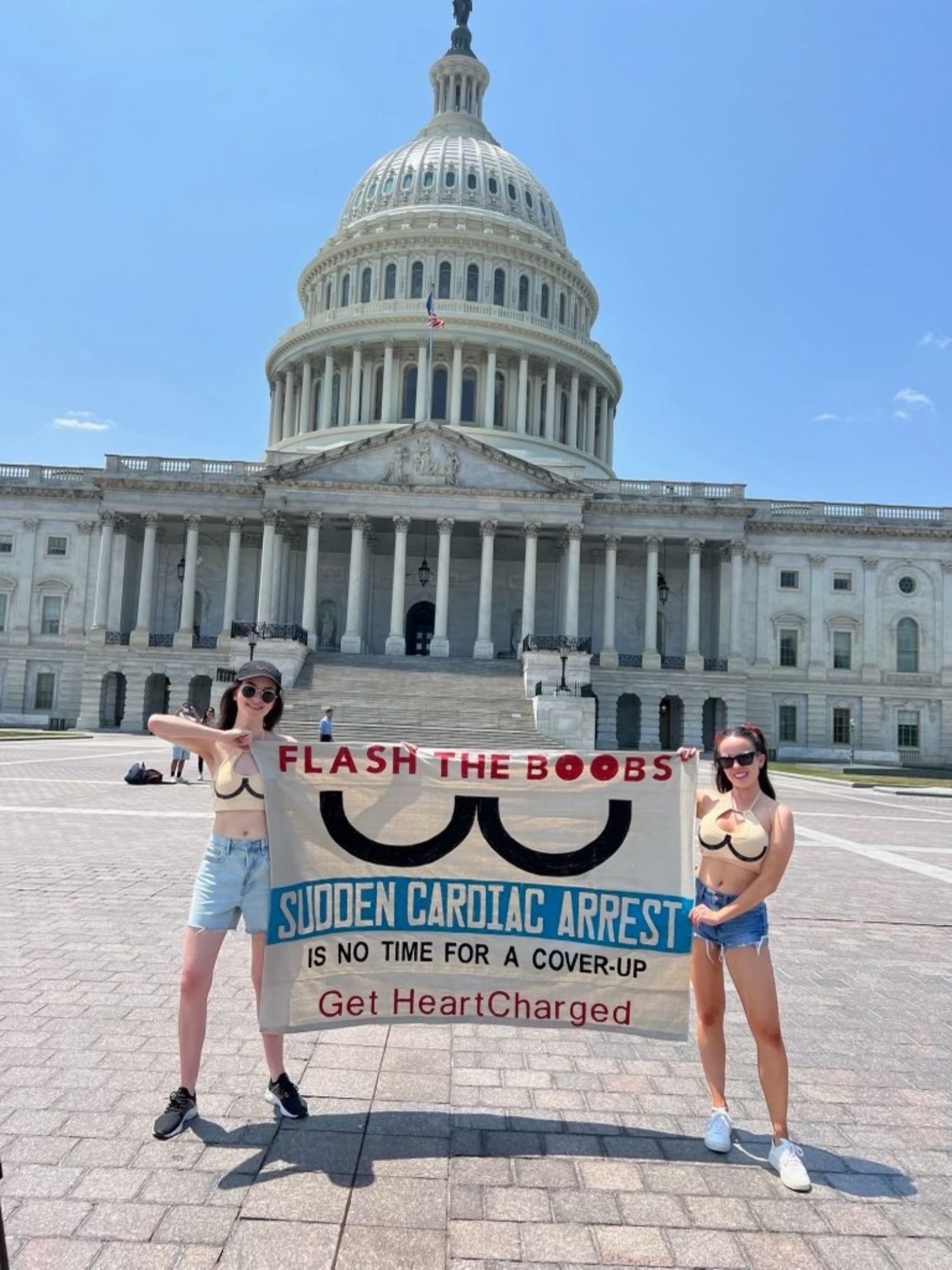
Flash The Boobs
HeartCharged launched the "Flash the Boobs" campaign to highlight one of the major reasons females are less likely to survive sudden cardiac arrest.
We encourage others to not be afraid to "flash the boobs" during lifesaving actions like CPR and AED resuscitation.