Sudden cardiac arrest survivor
Life After The
Heart Stops
Survival is not the end of the story. It is the beginning of learning your body again, living with uncertainty, carrying gratitude and grief, and discovering what comes next.
HeartCharged was built by people who understand that recovery is physical, emotional, and deeply personal. You do not have to navigate it alone.
Hannah's Survival Story
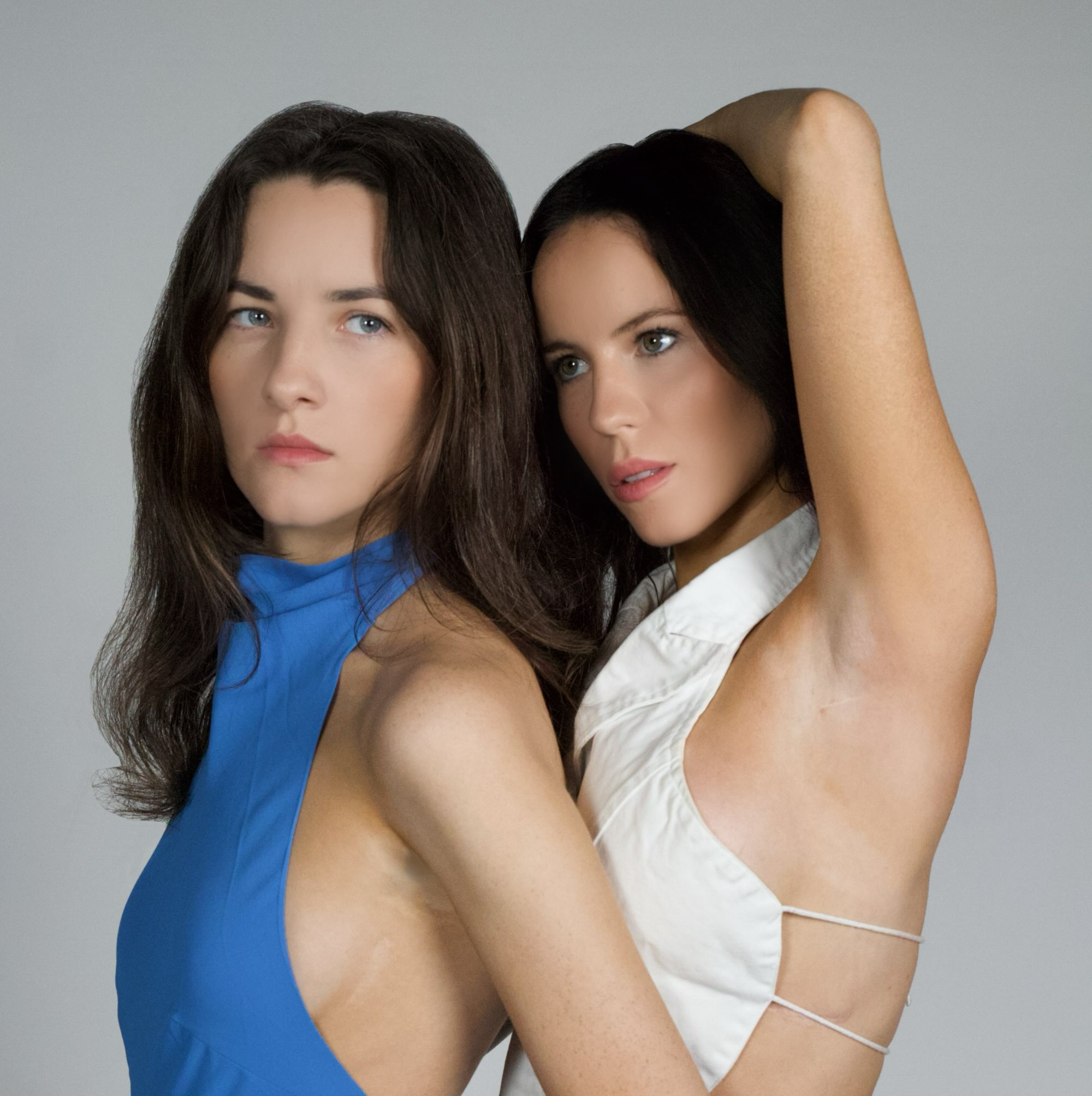
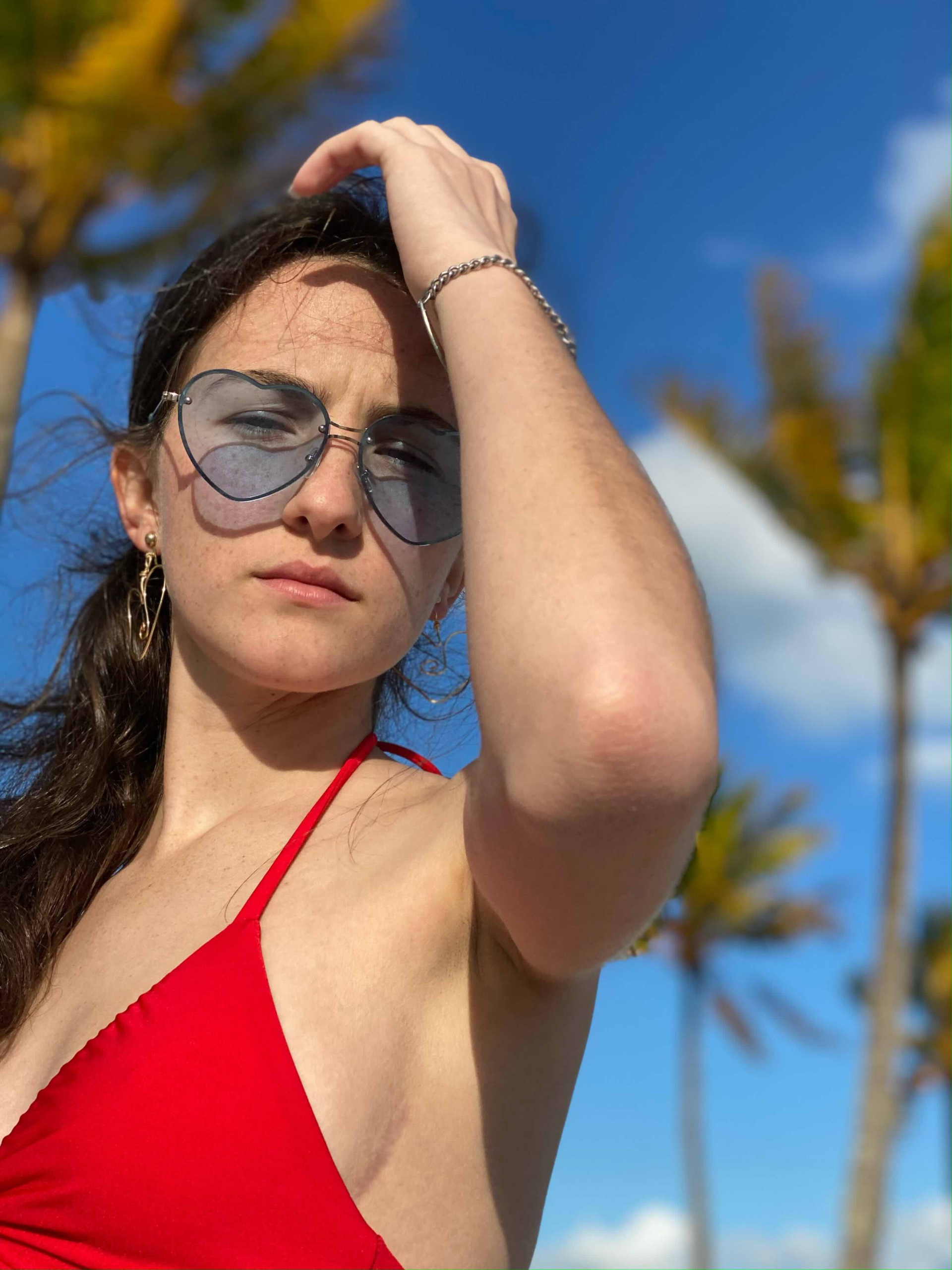
Our Founder, Hannah - The 'Bionic Babe'
Hannah Keime was diagnosed with hypertrophic cardiomyopathy at 14 after a relative’s diagnosis led her family to seek cardiac screening.
Her condition was advanced enough that she received an implantable cardioverter-defibrillator, or ICD. Six months later, while Hannah slept, she went into sudden cardiac arrest. The device detected the dangerous rhythm and shocked her heart—saving her life before she even knew what had happened.
That survival asked a teenager to grow up quickly. Dance and sports had already been replaced by medications, restrictions, procedures, and difficult questions about the future. Over time, Hannah turned toward film, storytelling, and advocacy—using the life she almost lost to help create more survivors and support the people learning how to live afterward.
Life bionic
A Lifesaving Device Becomes Part of Your Body & Your Story
An ICD can be protection, a visible bump, a scar, a source of reassurance, a reminder of risk, or all of those things at once.
HeartCharged calls life with an implanted device “life bionic.” The language makes room for strength and pride without pretending the surgery, body changes, appointments, uncertainty, or possibility of a shock are easy.
Bionic does not mean invulnerable. It means carrying lifesaving technology—and learning what that means for you.

What is an ICD?
An implantable cardioverter-defibrillator monitors heart rhythm and can deliver treatment when it detects certain dangerous rhythms. Devices and treatment plans differ, so questions about an individual ICD belong with that person’s medical team.
Living after sudden cardiac arrest
You Survived, Now Comes Everything After
There is no single emotional timeline and no correct way to feel. Relief can live beside fear. Gratitude can live beside grief. Strength can include asking for help.
Request A Conversation With Someone Who Gets It
If you are navigating life after sudden cardiac arrest or adjusting to an implanted device, HeartCharged is here to listen.
Tell us a little about what you are facing and request a phone call. We will follow up to find a time to connect.
Common emotions after suffering from sudden cardiac arrest
Body & recovery
Healing may include procedures, medications, fatigue, activity changes, appointments, scars, and learning to interpret a body that suddenly feels unfamiliar.
Mental Health
Normal sensations can feel loaded. Sleep, exercise, alarms, anniversaries, and medical settings may carry new meaning after a cardiac emergency. It's normal to feel overwhelmed with a sense of fear and anxiety over your diagnosis.
Identity & relationships
Survivorship can change how you see yourself—and how family and friends respond. Being protected, misunderstood, grateful, or isolated can overlap.
Grief & purpose
You may grieve the life you expected while building another. Purpose can grow from survival, but no survivor owes the world an inspirational story.
When every sensation feels like a warning
Many survivors become intensely aware of their heartbeat and physical sensations. Share new or concerning symptoms with your medical team; for the emotional weight, peer support and mental-health care can help you feel less alone.
Getting to know an implanted device
Questions about scars, sleeping positions, activity, travel, device checks, shocks, and replacement are common. Your clinical team is the right source for medical instructions; other device recipients can help with the lived-experience questions.
Gratitude and grief at the same time
Survivors can be profoundly grateful to be alive and still grieve lost confidence, activities, plans, or a former sense of safety. Those feelings do not cancel one another.
Talking with people who understand
Friends and family may care deeply without knowing what cardiac arrest feels like from the inside. A survivor or heart-patient community can offer recognition, practical perspective, and language for experiences that are hard to explain.